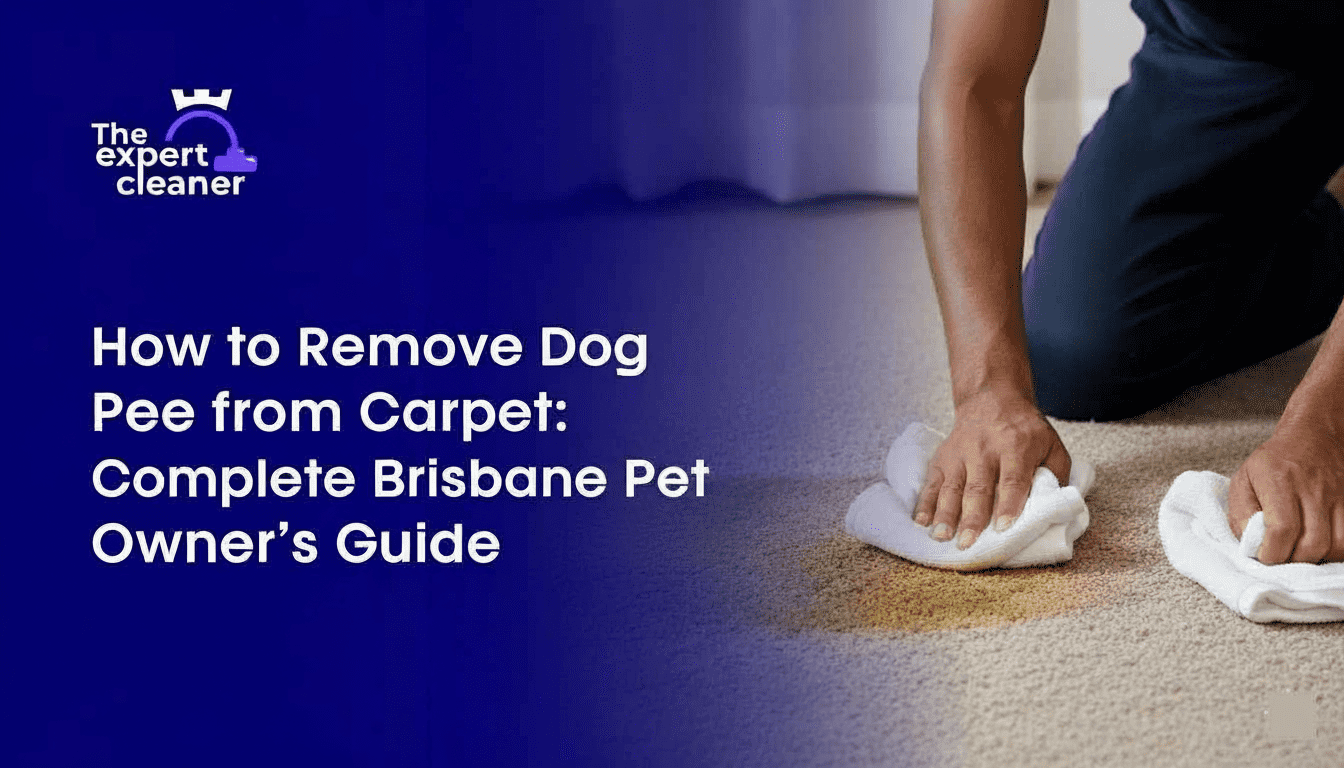
How to Remove Dog Pee from Carpet: Complete Brisbane Pet Owner’s Guide
Introduction
Pet accidents on carpets are an inevitable part of dog ownership. Whether you’re dealing with a young puppy still learning to toilet train or an older dog with incontinence issues, dog urine requires quick action and proper treatment. The challenge isn’t just the immediate stain—it’s the stubborn odour that can linger for months if not handled correctly.
Your carpet doesn’t have to become a permanent record of every accident. With the right knowledge and approach, you can eliminate both the stain and the smell completely. This guide walks you through effective removal techniques, explains why dog urine is so difficult to clean, and shows you when professional help from The Expert Cleaners becomes essential.
Understanding Why Dog Urine Is So Difficult to Remove
The Chemistry Behind the Problem
Dog urine appears simple at first glance—it’s mostly water—but contains numerous compounds that create stubborn cleaning challenges. The main culprits include urea, uric acid, ammonia, and creatinine. When your dog urinates, bacteria in the liquid immediately begin breaking down urea, releasing ammonia gas. That distinctive sharp “pee smell” you notice within minutes comes from this ammonia release.
However, ammonia is just the first problem. As urine dries on your carpet, a more troubling transformation occurs: the liquid becomes increasingly alkaline, dropping from an acidic state to a pH above 10. During this chemical shift, uric acid begins forming microscopic crystals that bind tightly to carpet fibres, backing, and padding. These urine salt crystals are remarkably sticky and nearly invisible to the naked eye—yet they’re responsible for odours that return even after your carpet appears clean.
Why Fresh Urine Is Easier to Clean
Acting immediately when you discover an accident provides a significant advantage. Fresh urine remains acidic and hasn’t penetrated deep into carpet layers or formed those stubborn uric acid crystals. The liquid sits primarily on the surface and outer carpet fibres, making it susceptible to blotting and extraction. This is why professional carpet cleaners emphasize speed—the difference between a fresh accident and a one-day-old accident can be the difference between successful removal and months of lingering odour.
The Penetration Problem
One misconception many pet owners hold is that carpet urine stays on the surface. In reality, urine penetrates through multiple layers. It soaks through carpet fibres into the backing material, then into the padding underneath, and often reaches the wooden or concrete subflooring beneath. Each layer absorbs and traps urine, creating a multi-level contamination problem that surface cleaning alone cannot address.
Step-by-Step Guide: Removing Fresh Dog Urine Accidents
Step 1: Blot Immediately (Don’t Rub)
Your first instinct might be to grab a cloth and scrub, but this is precisely what you shouldn’t do. Rubbing spreads urine throughout carpet fibres and pushes the liquid deeper into layers below the surface, making the problem worse.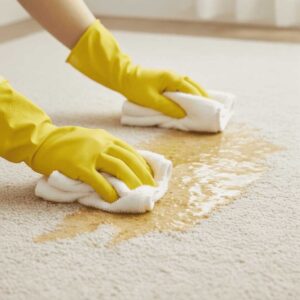
Instead, take clean white paper towels or cloth towels and blot the affected area firmly. Press down with steady pressure to absorb as much liquid as possible. Work from the edges of the stain toward the center to prevent spreading. For larger accidents, use multiple layers of paper towels and stand on them for about 60 seconds to apply consistent pressure. Replace towels as they become saturated and repeat until towels come away nearly dry.
Using white towels rather than coloured ones is important because dyes from coloured towels might transfer to your carpet, creating an additional stain problem.
Step 2: Apply Enzymatic Cleaner
This is where enzymatic cleaners become your secret weapon. These aren’t ordinary household cleaners—they contain living microorganisms and specially designed enzymes that literally consume the organic compounds in urine.
Here’s how they work: The enzymes in the solution target and attach to proteins, fats, and uric acid crystals in urine. Then beneficial bacteria colonize the area and feed on these broken-down compounds. Unlike traditional cleaners that merely mask odour or kill bacteria, enzymatic cleaners destroy odour at the molecular level by metabolizing urine components into water and carbon dioxide—compounds that dissipate harmlessly into the air.
Spray enzymatic cleaner generously over the entire affected area, ensuring the solution saturates deeply. The cleaner must reach as far into the carpet as the urine penetrated. Don’t be shy with the application—undersaturation means enzymes won’t have enough substrate to work with effectively.
Allow the enzymatic cleaner to dwell (sit untouched) for at least 10-15 minutes. Some stubborn stains benefit from longer dwell times—even up to 30 minutes. This waiting period is crucial because enzymes need time to break down urine compounds. Keep the area moist during this time; enzymes work most effectively in damp environments.
Step 3: Extract the Solution
After the dwell time, use a wet-dry vacuum or carpet spot extractor to remove the cleaning solution and dissolved urine. The extraction step is essential because it removes the broken-down urine particles and spent enzymatic solution from the carpet.
If you don’t have extraction equipment, thoroughly blot with clean damp towels, applying downward pressure repeatedly. Rinse the area with clean water, then blot dry. Repeat the extraction or blotting process 2-3 times to ensure all cleaner and urine residue are removed.
Step 4: Rinse and Air Dry
Lightly rinse the treated area with clean water and blot thoroughly with dry towels to remove excess moisture. This rinse step removes any remaining enzymatic solution residue. Allow the carpet to air dry completely with good ventilation—open windows, turn on fans, or increase air conditioning circulation.
Critical warning: Never use hot air sources like hairdryers or steam cleaners. Heat permanently sets urine stains and odours by bonding urine proteins into carpet fibres. The stain becomes irreversible once heat is applied.
Step 5: Neutralize Remaining Odours
Once the carpet is completely dry, sprinkle baking soda liberally over the treated area. Allow it to sit overnight to absorb any remaining odour particles. The baking soda works by absorbing odour compounds into its porous structure. Vacuum thoroughly the next morning to remove all baking soda residue.
Treating Old or Set-In Dog Urine Stains
Accidents you’ve missed for days or weeks require different tactics than fresh stains. Old urine has already formed those stubborn uric acid crystals and penetrated deeply into multiple carpet layers.
Step 1: Locate All Hidden Stains Using UV Light
Many old urine spots aren’t visible to the naked eye. Use a blacklight (available cheaply on Amazon for $15-30) in a darkened room to identify all contamination. Dry urine glows distinctly under UV light because of the phosphorus compounds and proteins in urine. Mark or remember these locations.
Note that UV lights work best on porous surfaces like carpet and are less effective on hard floors. Also, the carpet must be completely dry for the blacklight technique to work effectively.
Step 2: Saturate With Enzymatic Cleaner
For old stains, flood the area with enzymatic cleaner—saturate it more heavily than you would a fresh accident. The goal is getting the solution to penetrate through carpet and padding to reach any urine that’s seeped into these layers.
Step 3: Keep the Area Moist
After applying enzymatic cleaner, cover the wet area with plastic wrap or place a damp towel over it. This keeps the solution moist for extended periods, allowing enzymes more time to work. Old, dried uric acid crystals need this extended enzyme activity to break down properly.
Let the area sit for several hours or overnight. During this time, the beneficial bacteria and enzymes gradually metabolize the deeply embedded urine compounds.
Step 4: Extract and Repeat if Necessary
Extract with a carpet cleaner or blot thoroughly with damp cloths. The water you extract may appear dirty or discoloured as urine residue is pulled from the carpet.
For severely contaminated areas, you may need to repeat the entire enzymatic treatment process 2-3 times. Each application removes layers of urine residue until the smell is completely gone.
Natural and Home Remedy Options
Baking Soda and Vinegar Combination
While not as effective as enzymatic cleaners, this combination offers a natural alternative that many homeowners have on hand.
Spray the urine-stained area with a 50/50 white vinegar and water solution. Let it sit for 5-10 minutes to begin breaking down odour compounds and loosening uric acid crystals. Then sprinkle baking soda generously over the damp area. Cover with a damp towel and leave overnight.
The next day, vacuum thoroughly to remove all baking soda. The vinegar’s acidity helps neutralize alkaline urine compounds, while baking soda absorbs remaining odours. This method works best on fresh or light stains but lacks the molecular-level breakdown that enzymatic cleaners provide.
Hydrogen Peroxide Solution (For Light-Coloured Carpets Only)
After treating an area with enzymatic cleaner, you can try this supplementary treatment for stubborn stains on light-coloured carpets only. Test it on an inconspicuous area first because hydrogen peroxide can bleach or discolour certain carpet dyes.
Mix 2/3 cup 3% hydrogen peroxide, 1 teaspoon baking soda, and a few drops of dish soap. Apply to the stain and allow to sit for several minutes. The chemical reaction you see (fizzing) represents the peroxide breaking down organic compounds. Blot thoroughly and allow to air dry.
This method works through oxidation—the hydrogen peroxide releases oxygen radicals that break down stain compounds and kill odour-causing bacteria. However, it doesn’t address uric acid crystals as effectively as enzymatic cleaners.
Vodka or Alcohol Solution
Surprisingly, inexpensive vodka can neutralize certain urine odour compounds due to its alcohol content. Pour cheap vodka into a spray bottle and saturate the affected area. Allow it to air dry completely.
This works best as a supplementary treatment rather than a primary solution. The alcohol helps dissolve certain odour compounds, but it doesn’t break down uric acid crystals or remove all urine components.
What NOT to Use When Treating Dog Urine
Never Use Ammonia-Based Cleaners
This is critical: ammonia-based products smell like urine to dogs because ammonia is a urine component. Using ammonia-based cleaners actually encourages your dog to re-mark the same spot. Dogs recognize their own urine through scent, and ammonia smells similar enough to trigger repeat marking behaviour.
Avoid Bleach
Bleach is toxic and dangerous when mixed with urine components. The chemical reaction produces hazardous gas. Never combine bleach with urine-contaminated materials or use it on fresh accidents.
Don’t Use Steam Cleaners on Fresh Urine
While steam cleaning is excellent for general carpet maintenance, it’s harmful for urine stains. Heat permanently bonds urine proteins into carpet fibres, making the stain and odour impossible to remove. The steam converts temporary damage into permanent damage.
This mistake is surprisingly common among well-meaning pet owners who assume steam cleaning will disinfect and clean simultaneously.
Preventing Your Dog From Re-Marking the Same Spot
Dogs have incredibly sensitive noses—approximately 10,000 times more sensitive than human olfaction in certain smell categories. Once a dog has urinated in a location, they can detect scent markers even after you believe you’ve cleaned the area.
Complete Odour Elimination Is Essential
This is why complete removal using enzymatic cleaners is so critical. Any remaining urine odour—whether perceptible to humans or not—signals your dog that this location is an appropriate toilet spot. Your dog may return repeatedly to the same place, adding fresh urine to old residue.
Use Deterrent Sprays
After cleaning thoroughly, apply citrus-based deterrent sprays to the area. Dogs intensely dislike citrus scents. Alternatively, use lemon juice, bitter apple extract, or cayenne pepper spray. These natural repellents discourage your dog from approaching the previously soiled spot.
Reapply deterrent sprays every few days, especially if you notice your dog sniffing the area. Over time, your dog will associate that spot with unpleasant smells and avoid it.
Block Access Temporarily
Consider using baby gates, exercise pens, or strategically placed furniture to restrict your dog’s access to the accident area for 2-3 weeks after cleaning. This breaks the location habit while your dog’s memory of the spot fades.
Increase Outdoor Potty Breaks
Ensure your dog has frequent opportunities to urinate outside in appropriate locations. More outdoor breaks mean fewer accidents and less marking behaviour indoors. Most adult dogs need at least 3-4 outdoor toilet breaks daily.
Why Dog Urine Poses Health Risks
Bacterial Growth and Spread
Pet urine isn’t sterile. It contains bacteria including E. coli, Proteus, Salmonella, and in some cases, Leptospirosis—a disease-causing bacteria that can transmit to humans through urine contact. When urine sits in your carpet’s warm, moist environment, these bacteria multiply rapidly, creating a breeding ground for infection-causing microorganisms.
Young children, elderly family members, and anyone with weakened immune systems face elevated risk from prolonged exposure to these bacteria. Skin contact with contaminated carpet can cause dermatitis or infections.
Respiratory Problems From Ammonia
As urine decomposes, it releases ammonia gas into your home’s air. This isn’t just an unpleasant smell—ammonia is a respiratory irritant that can cause coughing, wheezing, eye irritation, and throat irritation. For people with asthma, allergies, or COPD (chronic obstructive pulmonary disease), ammonia exposure can trigger serious symptoms and breathing difficulties.
In homes with extensive or untreated pet urine contamination, ammonia levels can actually damage lung tissue, particularly in children whose lungs are still developing.
Mold and Mildew Development
The moisture from urine creates ideal conditions for mold spores to colonize and grow. Mold growth in carpets can lead to allergic reactions, asthma attacks, and respiratory infections. Certain mold species, like black mold and Aspergillus, are particularly dangerous and can cause chronic respiratory conditions with long-term exposure.
This is especially concerning in Brisbane’s warm, humid climate where mold thrives more readily.
Carpet and Structural Damage From Untreated Urine
Beyond health concerns, untreated dog urine causes permanent property damage.
Carpet Fibre Damage
Uric acid crystals and ammonia chemically alter carpet dyes and degrade carpet fibres themselves. The affected area becomes weaker and more prone to staining. Over time, the carpet develops permanent discoloration that no amount of cleaning can reverse. In severe cases, carpet fibres actually break down and deteriorate.
Padding and Subflooring Damage
When urine penetrates through carpet and padding into wooden subfloors (common in Brisbane homes), the situation becomes serious. Moisture promotes rot, structural weakening, and extensive mold growth within subfloors. Wood swells, softens, and deteriorates. In severe cases, entire sections of flooring require replacement—an expense that can reach thousands of dollars.
Once urine reaches subfloors, odours become essentially permanent because moisture continues to reactivate dried urine compounds, especially in humid weather or when humidity increases indoors.
When to Call Professional Carpet Cleaners
DIY methods work well for isolated fresh accidents and light stains, but certain situations require professional intervention that only experienced cleaners can provide.
Multiple Accidents or Large Contaminated Areas
When a dog has had numerous accidents, especially in the same general areas, the entire carpet section becomes saturated. Surface treatments cannot reach all contamination layers. Professional carpet cleaners use industrial hot water extraction equipment that forces water and cleaning solution deep into carpet, padding, and even subfloors, extracting urine residue that’s beyond DIY reach.
Persistent Odours Despite DIY Treatment
If you’ve treated an area multiple times with enzymatic cleaners and odours still return, urine likely penetrated deeper than surface treatments can address. Professional equipment includes sub-surface extraction tools specifically designed to clean padding and subfloor layers without removing carpet.
Set-In Stains From Previous Owners or Long-Term Issues
Old, deeply embedded stains often resist even professional enzymatic treatment initially. Professional cleaners use specialized UV detection to locate all contamination, often discovering far more extensive damage than homeowners realize. They then apply commercial-grade enzymatic solutions with extended dwell times, followed by industrial extraction.
Health Concerns in the Household
If anyone in your home has respiratory issues, allergies, or weakened immunity, professional deep cleaning becomes important for health reasons. Professional cleaners eliminate bacteria and odour-causing compounds more thoroughly than DIY cleaning, significantly improving indoor air quality.
Maintenance Tips for Brisbane Pet Owners
Living with dogs in Brisbane’s climate requires specific carpet care strategies.
Vacuum Frequently
Vacuum your carpet at least twice weekly to remove dog hair, dander, dirt, and debris. Pet-related contaminants accumulate rapidly on carpet surfaces. Regular vacuuming maintains carpet appearance and reduces odours.
Schedule Professional Deep Cleaning Regularly
Pet owners should professionally deep clean carpets every 6-12 months minimum. Brisbane’s humidity creates conditions where bacteria and odours can return even after successful initial cleaning. Regular professional cleaning prevents buildup and extends carpet life significantly.
Groom Your Dog Regularly
Regular brushing and bathing reduce the amount of loose hair and dander deposited on carpets. Less pet-related debris means cleaner carpets that hold odours less readily.
Use Area Rugs in High-Traffic Zones
Place washable rugs or runners in areas where your dog spends the most time—near doors, in sleeping areas, or in favourite lounging spots. These rugs are easier to clean or replace than permanent carpet and protect your underlying carpet from heavy use.
Consider Stain-Resistant Treatments
Carpet protector treatments create a barrier that repels liquids and prevents staining. These treatments make cleanup easier for accidents and reduce the depth that liquids penetrate. Many professional carpet cleaners apply protector treatments during service calls.
How The Expert Cleaners Can Help
At The Expert Cleaners, we understand the specific challenges Brisbane pet owners face. Our eco-friendly cleaning solutions eliminate dog urine stains, odours, and health hazards while protecting your carpet’s integrity.
Our Professional Services
Carpet Cleaning Brisbane – Our professional hot water extraction removes stubborn pet stains, allergens, and odours that accumulate despite regular vacuuming. We extend carpet life and improve indoor air quality for healthier homes.
Rug Cleaning Brisbane – Whether you have delicate oriental rugs or modern synthetic floor coverings, we treat each piece with specialized care. Our deep cleaning restores vibrancy while removing pet contamination.
Mattress Cleaning Brisbane – Pet urine also affects mattresses. We specialize in dust mite removal, stain treatment, and deodorization for cleaner sleep environments.
Couch Cleaning Brisbane – Our deep-cleaning process eliminates pet odours, bacteria, and allergens from upholstered furniture, keeping couches clean and hygienic.
Flood Damage Restoration Brisbane – For extensive urine contamination requiring specialized equipment.
Final Thoughts
Dog urine cleanup doesn’t have to be stressful or unsuccessful. Fresh accidents respond well to immediate action and enzymatic treatment. Old stains require more intensive intervention but remain treatable with persistence and proper technique.
The key to protecting your carpets and your family’s health is swift action, thorough cleaning, and complete odour elimination. Whether you handle cleanup yourself using enzymatic products or call professional cleaners, the critical factor is addressing the problem completely rather than allowing it to fester.
Your home should be a clean, fresh, healthy space for your entire family—including your furry companions. With the right approach to dog urine cleanup, it absolutely can be.